
Whoa!
I grabbed a browser extension wallet the other day and the first thing I noticed was the speed. It was snappy in a way mobile wallets rarely are, and that felt refreshing. My instinct said this was built by people who actually use Solana every day. Initially I thought it was just good marketing, but then I dug into the UX and the plugin behavior and realized there’s real polish under the hood.
Seriously? The little details matter. Connecting to dApps was almost frictionless. Buttons were where I expected them, confirmations were clear, and the permission prompts didn’t feel scary. Something felt off about some other wallets—too many popups or vague wording—but here the flow is tidy, and that reduces mistakes.
Okay, so check this out—
Phantom balances on design and safety in equal measure. The account setup is straightforward, and the backup seed flow is sane without being infantilizing. I’m biased, but I prefer wallets that don’t shove advanced features in my face the second I open them; Phantom respects that balance.
On one hand, browser extensions can be riskier than hardware wallets. On the other hand, they are far more convenient for daily NFT browsing and quick token swaps. Though actually, wait—let me rephrase that: if you use browser extensions every day, you want one that minimizes surface area for mistakes, and Phantom does a decent job of that. My working rule is simple: use an extension for convenience, keep larger balances in cold storage.
Here’s the thing. Ease of use matters a lot for mainstream adoption. The first time a friend tried to sign a Solana transaction with Phantom, they didn’t freak out. They clicked, read a short sentence, approved, and the transfer happened. That moment—when the tech fades into the background—that’s what you want. It feels like payment apps in 2012 finally learning from decades of clumsy software.
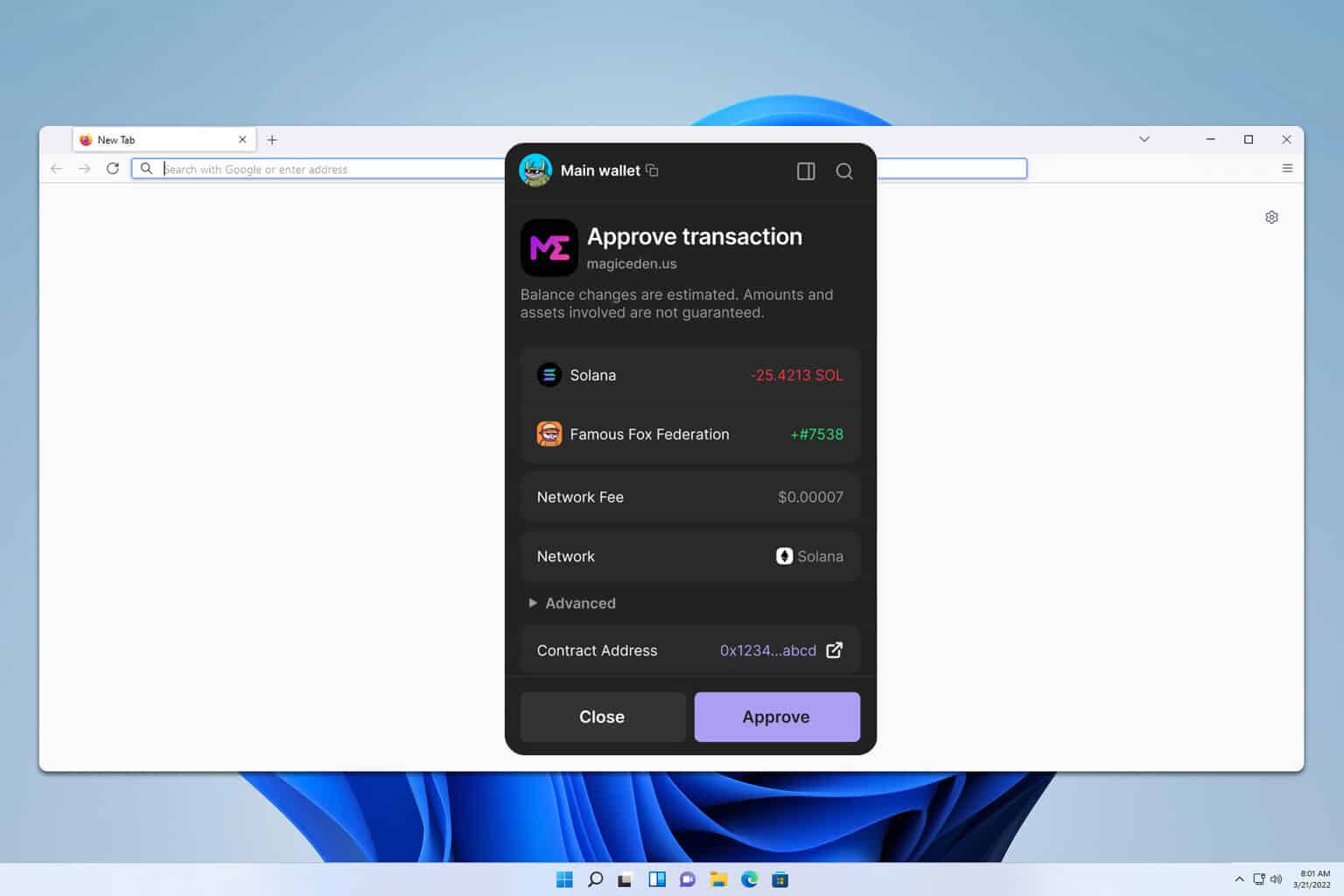
How to get the phantom wallet extension and what to watch for
I installed the browser extension from the official source and then double-checked everything. If you want to grab the extension yourself, go to the download page I trust: phantom wallet. After installing, lock the extension when not in use and create a strong, offline-stored seed phrase. Also—do not paste your seed into anything else, and beware of fake sites that mimic the real flow.
Hmm… small things made a big difference. The auto-lock timer is customizable, which I set tighter because my laptop gets left unlocked sometimes. Recovery words are displayed once, like any wallet, and that annoys me a little because I always want a second chance—oh and by the way, write them down correctly, double-check spelling, and keep them offline. I once wrote down a word wrong and spent an hour panicking; lesson learned the expensive way.
Security-wise, Phantom does a lot that you can’t see at a glance. They separate the signing UX from the background wallet internals, and that reduces accidental permission grants. I don’t know every implementation detail—I’m not a dev working on the codebase—but in practice their permission prompts are explicit, and their updates have been frequent enough to feel supported. I’m not 100% sure about long-term roadmap priorities, though; they change and so does the ecosystem.
Transaction speed on Solana is a real benefit here. Trades and NFT mints happen fast, so the wallet needs to keep up. Phantom’s confirmation times and visual feedback are tuned for short waits, which reduces the “did it go through?” anxiety. When latency is low, people behave differently—more confident, more likely to interact—and that subtle shift matters for adoption.
There’s also integrations and extras. The swap UI, token list, and staking options are useful without being overwhelming. I tried staking from the extension and it was simple enough that I didn’t need to open docs. That small autonomy is empowering for casual users who want to participate without getting lost in CLI instructions.
On the flip side, the extension model means browser security hygiene is crucial. Use updated browsers, avoid sketchy extensions, and keep your OS patched. A well-configured extension plus good habits is a solid combo; negligence plus any extension equals risk. It’s a bit like leaving your front door unlocked because the lock “looks modern”—don’t do that.
One weird thing that bugs me is how many copycat sites try to trick users during big NFT drops. Stay skeptical. My approach now is ritualized: open the extension directly, confirm the domain in the dApp prompt, and read prompts slowly. It sounds obvious, but when your favorite drop is live, impulses override caution—so prepare ahead.
Common questions about Phantom and browser extensions
Is the extension safe for daily use?
Yes, with caveats. For small daily balances and NFT interactions it’s fine, but for long-term storage of large funds use hardware wallets or cold storage. Keep your seed phrase offline, enable auto-locks, and only connect to trusted sites.